Tag: Adaptation Fund

Implementación de Sistemas Agroforestales y de Conservación de Suelos en la Parte Alta de la Cuenca Hidrográfica del Río Santa María

Financiado por: Fondo de Adaptación
Entidad Ejecutora: FUDIS

Monto Total: B/. 1,486,358.00
Aporte del Fondo de Adaptación: B/. 1,412,910.00
Aporte de Contrapartida: B/. 73,448.00

Fecha de inicio:  27 de agosto de 2019
Fecha de finalización:  26 de diciembre de 2022

Área Programática:  Manejo Integrado de Cuencas Hidrográficas

Objetivo General: Promover mejoras en la salud de los ecosistemas y la generación de ingresos para aumentar la capacidad de resiliencia al cambio climático y adaptación de las comunidades; apoyando la producción de café en la parte alta de la Cuenca del Río Santa María

Objetivos Específicos:

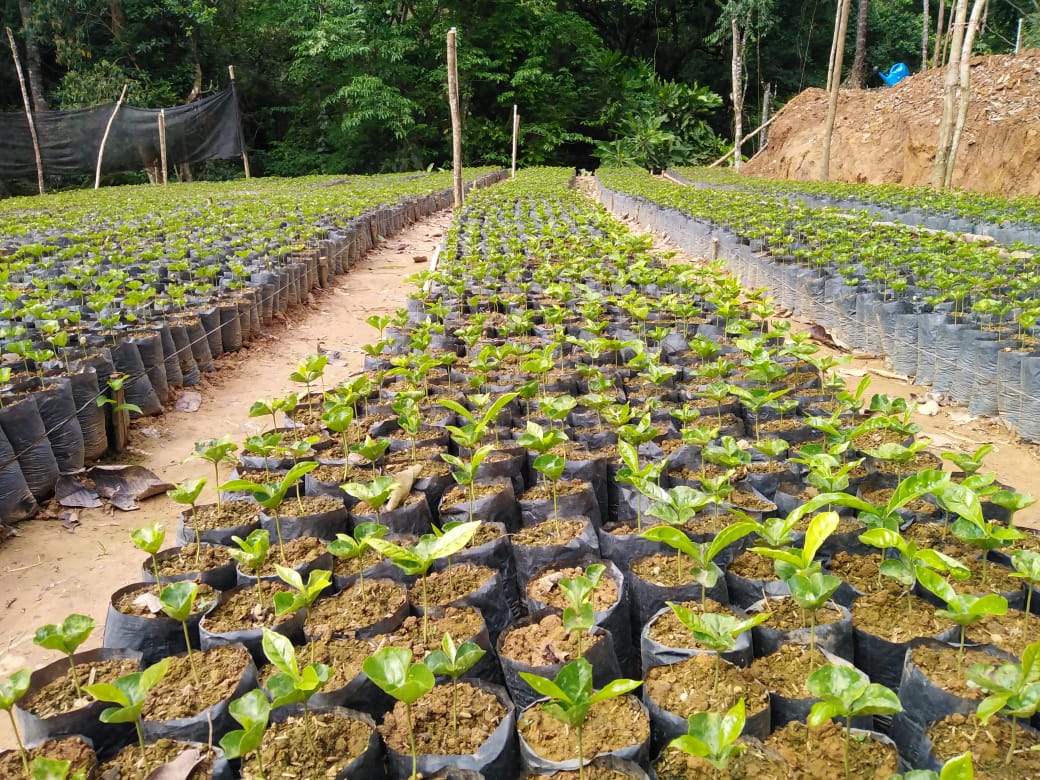
  • Establecer 200 hectáreas de sistemas agroforestales en la parte alta de la cuenca del Río Santa María, enfatizando la producción de café
  • Elaborar e implementar el Plan de Monitoreo y Mantenimiento de las parcelas, incluyendo porcentajes de incidencias de plagas y enfermedades para la toma de decisiones utilizando umbrales económicos y variables agro-climatológicas
  • Generar conocimiento en las diferentes etapas del proyecto para apoyar módulos de fortalecimiento de la capacidad, eventos de capacitación, y entrega de premios a productores destacados

Productos del proyecto:

P1. Documento con la lista de beneficiarios y plan de participación con enfoque de género

P2. Documento con los resultados de la encuesta socioeconómica de referencia

P3 Al menos 40 planes de manejo de fincas implementados con su diagnóstico rápido, incluyendo análisis de suelo. Además, debe incluir el convenio firmado con el socio productor (a), completando 200 ha bajo la modalidad agroforestal.

P4. Plan de Capacitación implementado con base a las acciones priorizadas en los planes de manejo de fincas

P5. Elaborar e implementar un plan de monitoreo y mantenimiento de las parcelas, incluyendo porcentajes de incidencias de plagas y enfermedades para la toma de decisiones utilizando umbrales económicos y variables agro-climatológicas.

P6. Informe de mantenimiento de las parcelas, de acuerdo a los avances. Los mismos deben reportar el estado de las parcelas y documentar con fotografías.

P.7 Documento de análisis de los resultados de las dos (2) encuestas sobre el nivel de conciencia en la población acerca de los impactos y la causa climática del problema, aplicadas una al inicio y otra al finalizar el proyecto.

P8. Documento impreso de sistematización de las experiencias de adaptación implementadas por el proyecto incluyendo lecciones aprendidas, redactado en forma concisa, clara y de fácil comprensión

P9. Dos (2) producciones de audio videos

Adaptation Fund

Program for Adaptation to Climate Change through Integrated Management of Water Resources in Panama presents impressive results in prioritized basins

The Climate Change Adaptation Program, through the Integrated Management of Water Resources in Panama, has achieved notable results in improving climate resilience and food security in the Chiriquí Viejo (Chiriquí) and Santa María River basins. (Veraguas, Coclé and Herrera).

The program, which had financing of US$9,856,591 from the Adaptation Fund and a counterpart from the executing entities and NGOs of US$1,417,402, benefited more than 116,000 people directly and indirectly in areas vulnerable to climate change.

Panama has a level of vulnerability to “severe” climate change by 2030, making the implementation of adaptation measures that reduce these vulnerabilities inevitable and urgent. In a consultation carried out within the framework of the project, the communities are concerned about the impact, reduction or losses in crops, vulnerability to disasters and extreme events and the lack of water for human consumption (quality / quantity), among others.

Teamwork

The Climate Change Adaptation Program in Panama has been a joint effort between the Natura Foundation as the National Implementing Entity of the Adaptation Fund, the executing entities (Ministry of Agricultural Development, Ministry of Environment, ETESA – IMHPHA, SINAPROC), NGOs and local actors.

“Thanks to this collaboration, a transformation process is being achieved towards a Panama that is more resilient to climate change and variability,” highlighted Rosa Montañez, executive director of Fundación Natura.

Results obtained

Each of the pilot projects that have been developed within the framework of the Adaptation Program in Panama have been replicated for good management practices for adaptation to climate change in various regions of the country.

Outcome 1: Improved climate change resilience for food, water and energy security in prioritized basins.

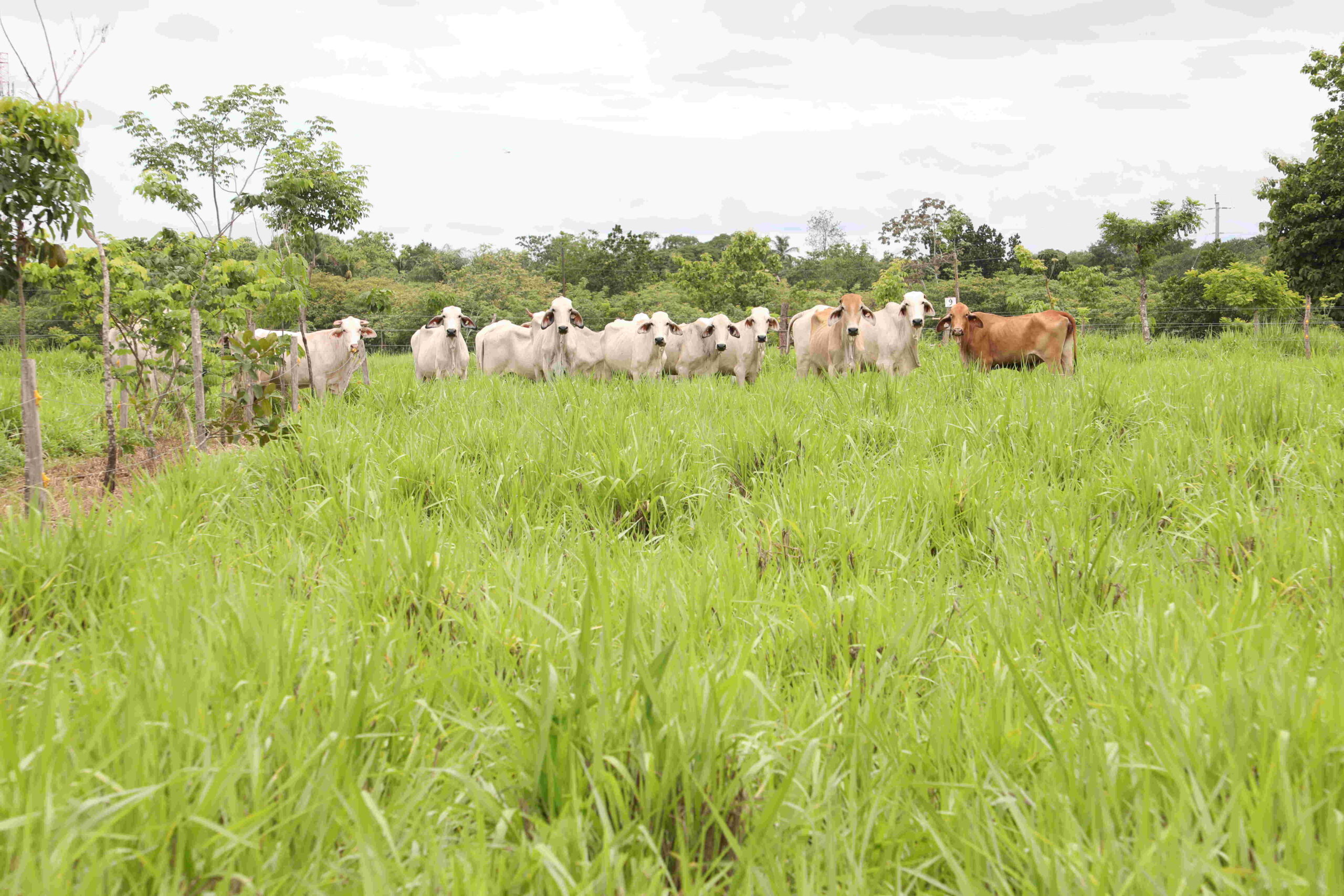
The program implemented adaptation strategies to climate change and variability on 120 farms with silvopastoral production systems, covering a total of 600 hectares of livestock farms. Agroforestry systems tolerant to the adverse effects of the climate were established on 225 hectares, 50 rainwater harvesting systems were installed, and the production of orchids and naranjillas was promoted in the Santa María River basin. These actions contributed to strengthening the food and energy security of the region. The strengthening of 17 microfinance institutions is highlighted for the design of new financing products for climate adaptation with ecosystem-based solutions.

Outcome 2: Improved water governance and natural resource management mainstreaming climate data.

The program developed eight climate-resilient water management instruments, including diagnoses, vulnerability studies, adaptation plans, water balance and environmental flow, and technical documents for water permit concessions in both basins. A soil-climatic zoning report was prepared for 12 prioritized crops with current scenarios and a 2050 scenario. These instruments provide a solid basis for decision-making related to the management of water and natural resources in hydrographic basins.

Result 3: Increased preparedness in prioritized watersheds and reduced disaster risk in vulnerable communities.

The National Climate Data System was strengthened with the installation of +40 automatic agrometeorological and hydrological stations, as well as a data receiving station. Two early warning systems for floods were implemented in the watersheds, allowing a more efficient response and reducing the risk of disasters in vulnerable communities.

Outcome 4: Improved access to information for decision-making on climate change and variability risks.

The Agroclimatic and Statistics Node was created in the Ministry of Agricultural Development where sowing harvest forecasts for different crops are implemented and is supported by the Agroclimatic Roundtables that have provided recommendations for the agricultural and livestock sector, benefiting +6 thousand producers in the 5 prioritized regions (Chiriquí, Herrera, Veraguas, Coclé, and Los Santos); This system provides advance information for the planning and management of agricultural activities. In addition, indicators were created for the monitoring and evaluation of adaptation to climate change in Panama, providing a clear vision of progress in climate change adaptation measures in the 10 prioritized sectors of the NDC1.

Outcome 5: Improved institutional capacity and increased awareness

The program has contributed to improving institutional capacity in relation to adaptation to climate change. The skills of 192 technicians were strengthened in the analysis and processing of

Adaptation Fund

Implementation of Agroforestry and Soil Conservation Systems in the Upper Part of the Santa María River Basin

Funded by: Adaptation Fund

Executing Entity: FUDIS

Total Amount: B/. 1,486,358.00

Contribution from the Adaptation Fund: B/. 1,412,910.00

Counterpart Contribution: B/. 73,448.00

Start date: August 27, 2019

Completion date: December 26, 2022

Program Area: Integrated Management of Hydrographic Basins

General Objective: Promote improvements in the health of ecosystems and income generation to increase the resilience to climate change and adaptation of communities; supporting coffee production in the upper part of the Santa María River Basin

Specific objectives:

  • Establish 200 hectares of agroforestry systems in the upper part of the Santa María River basin, emphasizing coffee production
  • Prepare and implement the Monitoring and Maintenance Plan of the plots, including percentages of incidences of pests and diseases for decision-making using economic thresholds and agro-climatological variables
  • Generate knowledge in the different stages of the project to support capacity building modules, training events, and awards to outstanding producers

Project products:

  • Document with the list of beneficiaries and participation plan with a gender approach
  • Document with the results of the reference socioeconomic survey
  • At least 40 farm management plans implemented with their rapid diagnosis, including soil analysis. In addition, it must include the agreement signed with the producer partner, completing 200 ha under the agroforestry modality.
  • Training Plan implemented based on the prioritized actions in the farm management plans
  • Prepare and implement a plot monitoring and maintenance plan, including percentages of incidences of pests and diseases for decision-making using economic thresholds and agro-climatological variables.
  • Plot maintenance report, according to progress. They must report the state of the plots and document with photographs.
  • Analysis document of the results of the two (2) surveys on the level of awareness in the population about the impacts and the climatic cause of the problem, applied one at the beginning and another at the end of the project.
  • Printed document systematizing the adaptation experiences implemented by the project, including lessons learned, written in a concise, clear and easy-to-understand manner
  • Two (2) audio video productions

Adaptation Fund